It happened in seconds—and then refused to disappear.
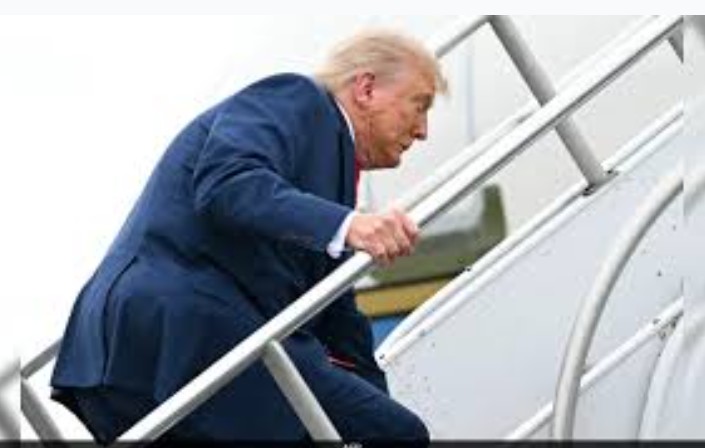
At a recent Independence Day event, Donald Trump stepped toward his seat, shifted his body slightly, and adjusted his clothes. Nothing unusual by itself. But almost immediately, laughter rippled nearby. Faces around him changed. Cameras lingered. Social media exploded.
By nightfall, a routine public appearance had transformed into one of the most talked-about—and distorted—moments of the week.
From Body Language to Viral Narrative

In the footage, Trump twists his posture before sitting. A few people nearby react—some smiling, some startled. Online, speculation raced ahead of facts. Clips were slowed down. Replayed. Paused. Interpreted.
Within hours, rumors multiplied—many crude, some deliberately humiliating. None supported by evidence. Yet the story spread faster than official statements ever could.
This is how modern political spectacle works: a gesture becomes a joke, a joke becomes an accusation, and an accusation becomes “truth” for millions scrolling past.
Melania’s Reaction — Or the Internet’s Projection?
Attention quickly shifted to Melania Trump. In some clips, she turns her head. In others, her expression tightens briefly. Commentators online claimed discomfort, embarrassment, even disgust.
But body-language experts caution against certainty.
In public events, spouses often react to crowd noise, camera flashes, or whispered remarks. A single glance, frozen in a frame, tells us very little—yet online culture demands meaning, immediately.
Why This Keeps Happening to Trump
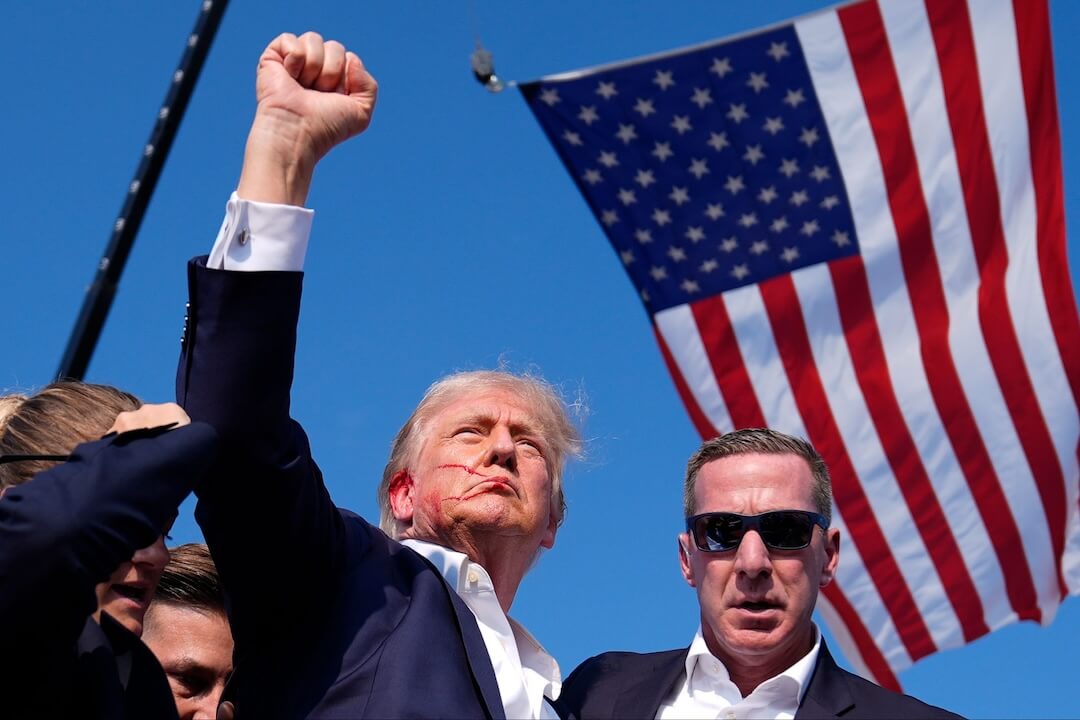
This is not the first time Trump’s physical presence has become a viral obsession.
At international events like the NATO summit, past footage has circulated showing nearby officials reacting—sometimes covering their faces, sometimes stepping back. Names like Marco Rubio have been dragged into speculation, often without context.
In every case, the pattern is the same:
-
A clip surfaces
-
Social media supplies a theory
-
Humor blends with hostility
-
The narrative hardens
What’s lost is proportion.
The Real Story Isn’t the Rumor
For readers in the US and UK aged 45–65, this moment may feel familiar—and troubling.
They remember when political criticism centered on policy, decisions, and consequences. Today, optics dominate. Mockery replaces analysis. Health rumors substitute for debate.
Whether one supports Trump or opposes him, this cycle should give pause.
Because if a single awkward movement can overshadow national conversation, then attention—not truth—has become the most powerful political force of all.
A Serious Expression at the End
As Trump left the event, cameras caught him unsmiling, focused, guarded. Security closed in. Online commentators took that too and spun it—concern, anger, guilt, defiance.
Or perhaps it was simply a man aware that, once again, the moment had escaped him.
What This Moment Reveals About Us
This story isn’t really about Donald Trump.
It’s about a culture that no longer waits for facts, that rewards humiliation over understanding, and that turns every public figure into a walking meme.
Today it’s Trump. Tomorrow, it will be someone else.
And the question remains: when everything becomes spectacle, what happens to substance?